
Talking Patient Advocacy: An Interview With NAMI’s Teri Brister
Amid the ongoing dialogue surrounding mental health advocacy, Teri Brister, the chief program officer of the National Alliance on Mental Illness (NAMI), sheds light on the critical role of mental health advocacy organizations in transforming health care and providing support for individuals and their families affected by mental health conditions. Mental health advocacy organizations, such as NAMI, play an invaluable role in providing resources and improving services for individuals, combating stigma, and shaping public policy. In this interview, Teri Brister informs us of the history and main activities of NAMI, their key successes, hurdles they have had to overcome, changes they would like to see, invaluable patient and family feedback, and ways to get involved. By collaborating with mental health advocacy organizations, health care professionals can tap into a wealth of resources, expertise, and community support to help the people they serve.
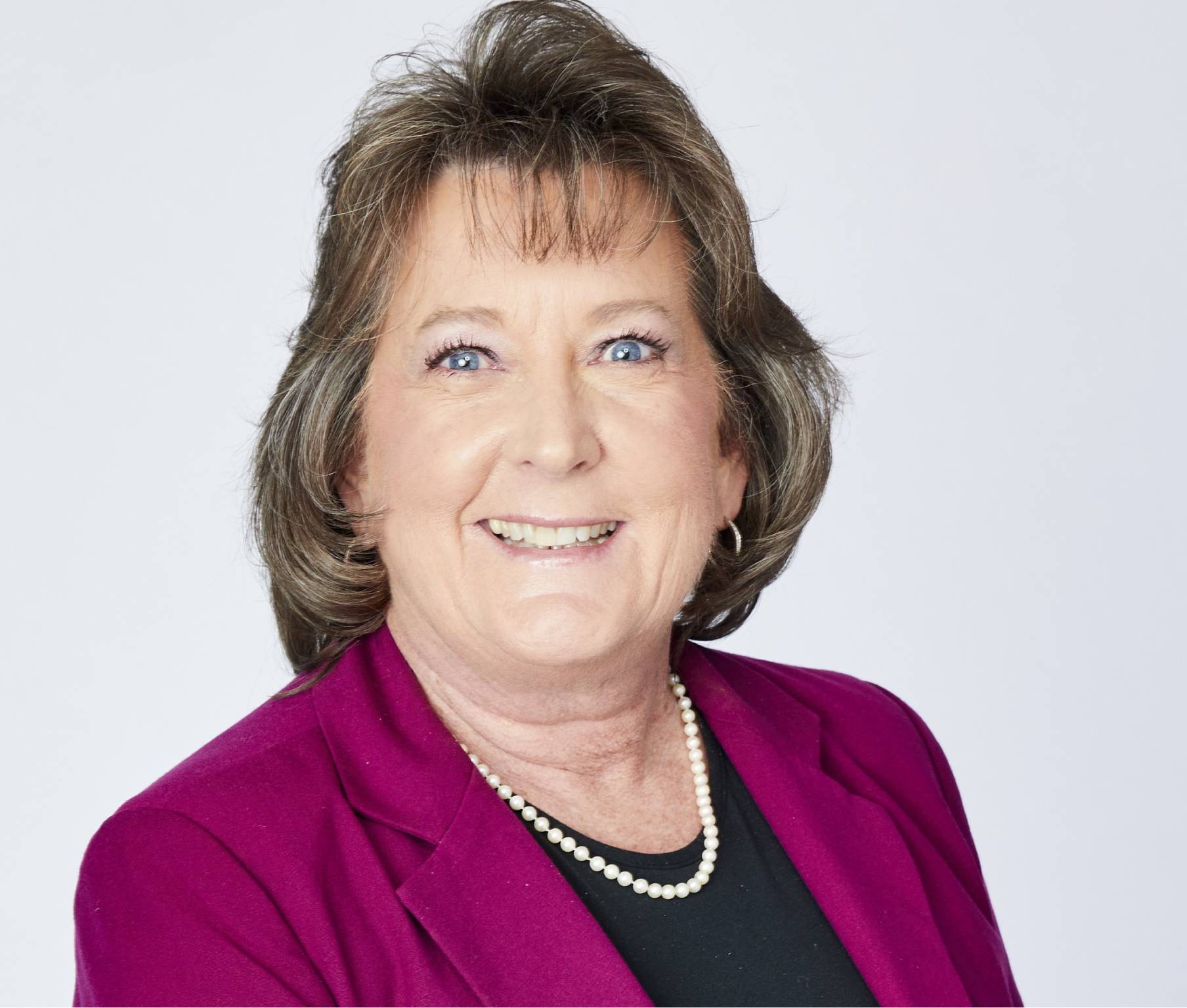
1. Could you briefly introduce NAMI and describe its main activities? What are some of the ways for patients or their families to connect with your organization?
NAMI, the National Alliance on Mental Illness, is the nation’s largest grassroots mental health organization in the United States. What began in 1979 as a group of parents of adult children with schizophrenia looking for information and support is now an alliance of more than 650 organizations across the country. At all three levels—national, state, and local—NAMI provides awareness, education, support, and advocacy services for individuals, families, and others affected by mental illness, to help them build better lives. NAMI accomplishes this in a variety of ways, including the availability of a national helpline that provides information, resources, and support from 10 AM to 10 PM Eastern time daily via email, text, chat, and phone calls. Additionally, NAMI has developed a variety of evidence-based education programs and support groups that are all delivered in local communities by people with lived experience—either people with mental health conditions or their family members—who have been trained to deliver the programs using structured curricula.
2. Can you share with us a key success of your organization, such as an activity or a program your organization is especially proud of?
We have so many things to be proud of at NAMI. Since 1979, NAMI has led the charge for better mental health care, resources, and support for all those impacted by mental illness and their families. From providing the first seed grant to support the first Crisis Intervention Team in 1988 to successfully advocating to double the budget for the National Institute of Mental Health in 1991 to launching a peer-to-peer support program in the early 2000s, NAMI has had decades of success leading mental health awareness and change. NAMI was a leader at the federal level on the successful implementation of the 988 National Suicide & Crisis Lifeline as well as the launch of the first Accelerating Medicines Partnership focused on a mental illness—AMP Schizophrenia—which launched in 2021. On a daily basis, NAMI’s support groups and education programs touch thousands of people across the US and are also available in Mexico, Canada, and Italy.
3. What sort of feedback do you get from participants on the services that you offer?
Comments that we continue to hear routinely are:
“NAMI programs changed/saved my life.”
“I’m still married because I took a NAMI class.”
“I’m a better father/mother/spouse because of what I’ve learned through NAMI.”
“I wish I had found NAMI sooner.”
“Learning that I wasn’t alone on this journey makes a tremendous difference in my daily life living with mental illness.”
4. What are some of the key hurdles you have overcome in your work?
Probably the biggest hurdle that we continue to face daily on all three levels of NAMI is never being able to do enough for the people who are most in need. NAMI has been referred to as a “shadow mental health system.” Our volunteers and program leaders lean in and provide support, sometimes including helping to find housing and food, when there are no other resources available.
5. In your opinion, what needs to change within the current mental health care system for us to see better outcomes for people affected by mental illness?
There actually is no health care “system” in the US; there are pieces and parts of different systems trying to work together but each with their own focus. This is even more the case with behavioral health care. There are too many barriers for those who develop the courage to seek help, and all too frequently, they give up before ever actually connecting with a health care professional. Barriers include too few behavioral health providers, limited access/availability of those who do exist, lack of true insurance parity for those who have insurance, limited number of professionals who accept Medicaid or Medicare for those who have that coverage, and a tremendous number of individuals who have no coverage, frequently because of complications of their mental illness symptoms. We need more people entering the behavioral health workforce, we need health care providers who work collaboratively—behavioral health and primary care, for example—to focus on treating the whole person.
6. How can people get involved in the work you do?
There is no wrong door when reaching out to NAMI. The simplest first step is contact the local NAMI nearest you, which can be found at www.nami.org/local. You can also contact NAMI at the national level through our website or our HelpLine to learn more. It takes all of us to make a difference, and we welcome all who are interested in helping to improve the lives of those affected by mental illness.
Cite this article as Talking Patient Advocacy: An Interview With NAMI’s Teri Brister. Connecting Psychiatry. Published August 2024. Accessed [month day, year]. [URL]
SC-US-76189
SC-CRP-16403
July 2024
Related content

Early Intervention in Mental Health Care: Benefits and Challenges


Sign up now for new features
The newsletter feature is currently available only to users in the United States
*Required field